Golden Gate Bridge

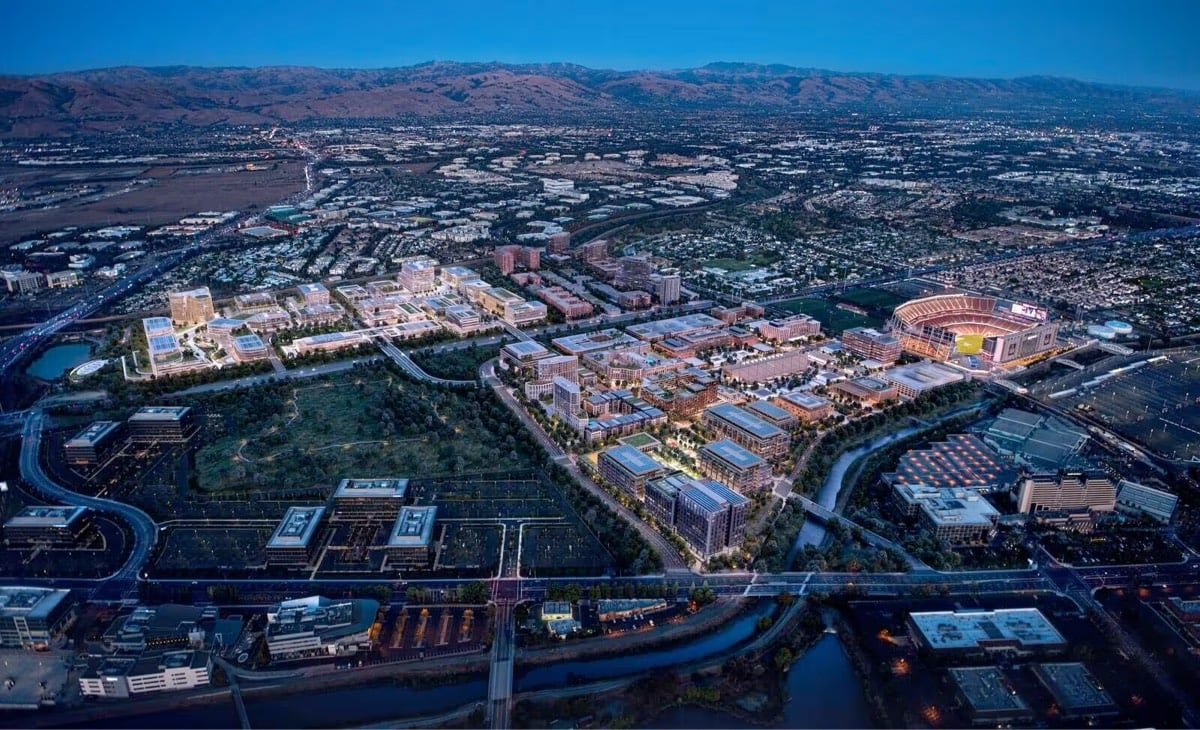
Aerial view of a cityscape at dusk with a large stadium, modern buildings, roads, and green spaces surrounded by mountains.

City of Santa Clara

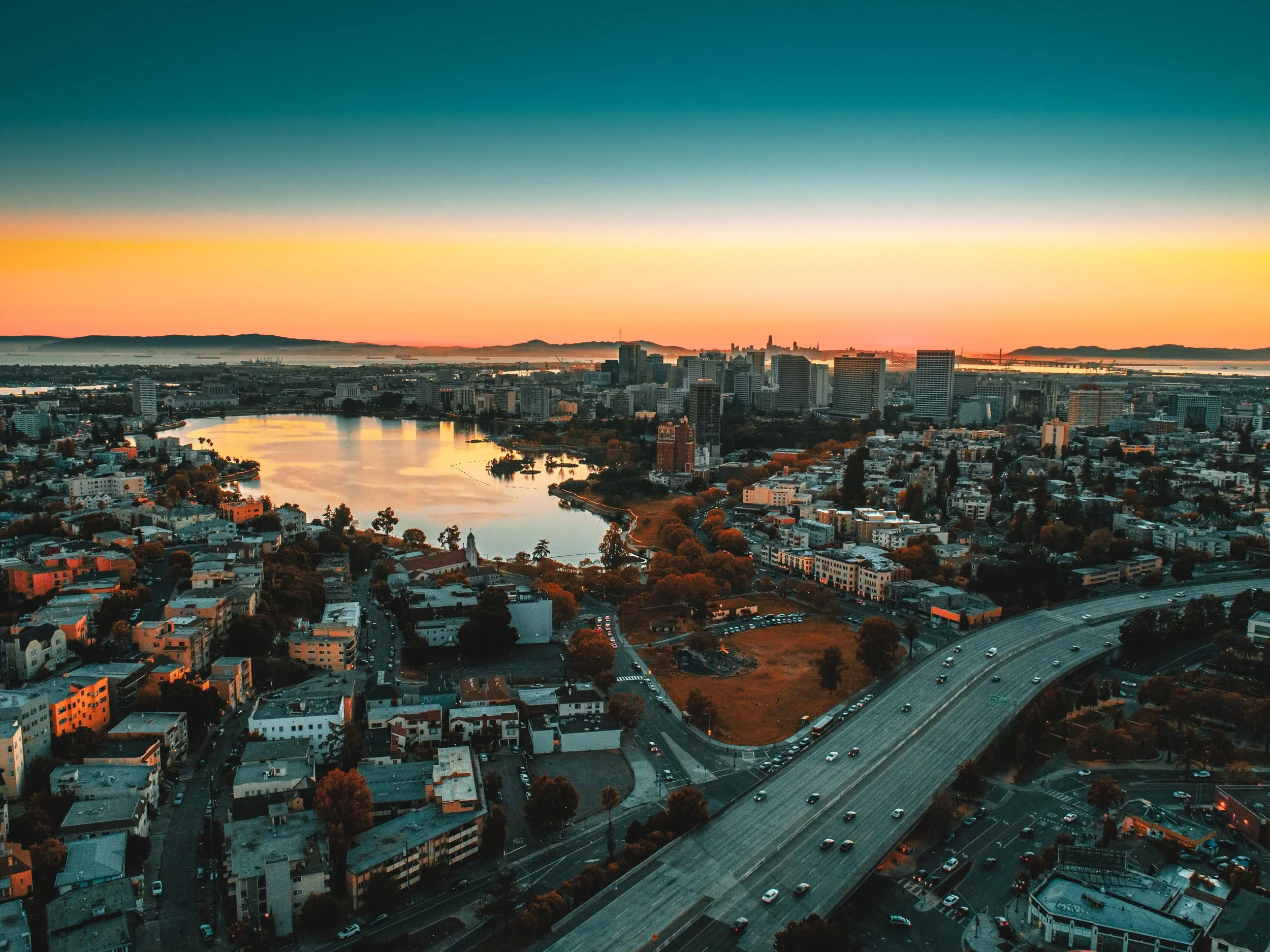
Aerial cityscape at sunset featuring a body of water, high-rise buildings, and a highway with cars.

Lake Merritt

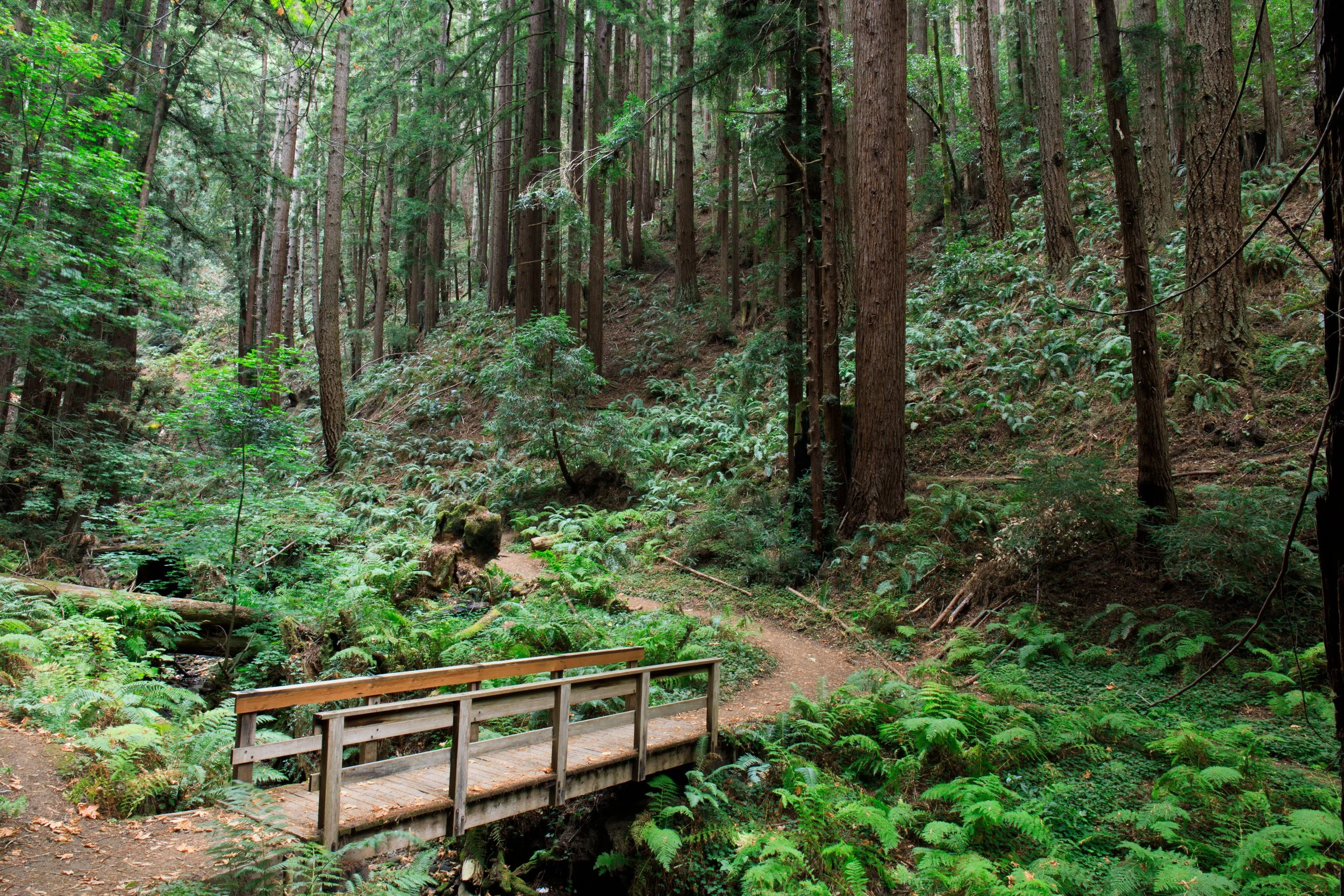
A wooden bridge over a small stream in a lush green forest with tall trees and ferns.

Redwoods

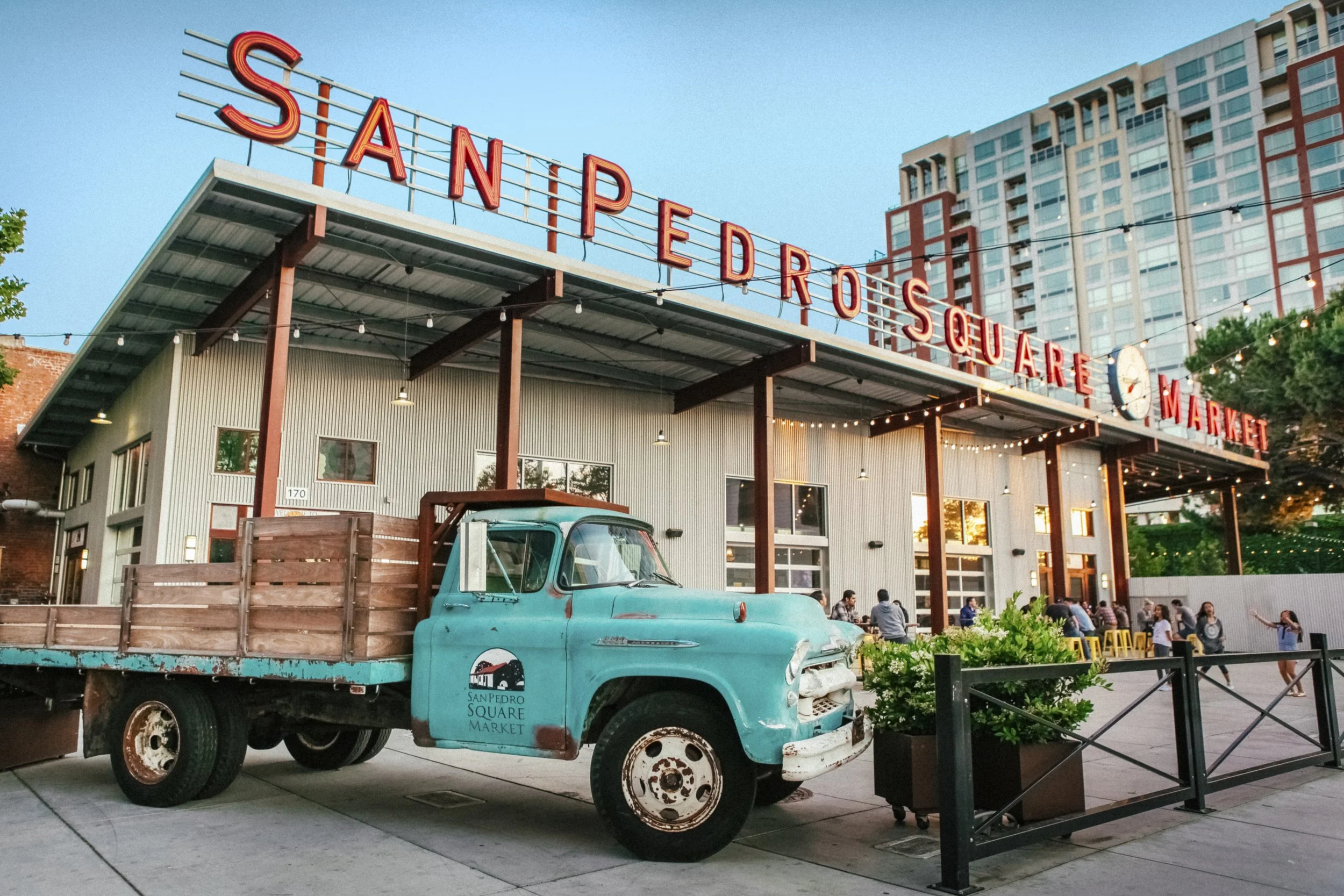
Exterior view of San Pedro Square Market with a vintage blue truck parked outside, people sitting and walking, string lights hanging overhead, and a modern building in the background.

San Pedro Square

Santa Cruz Wharf

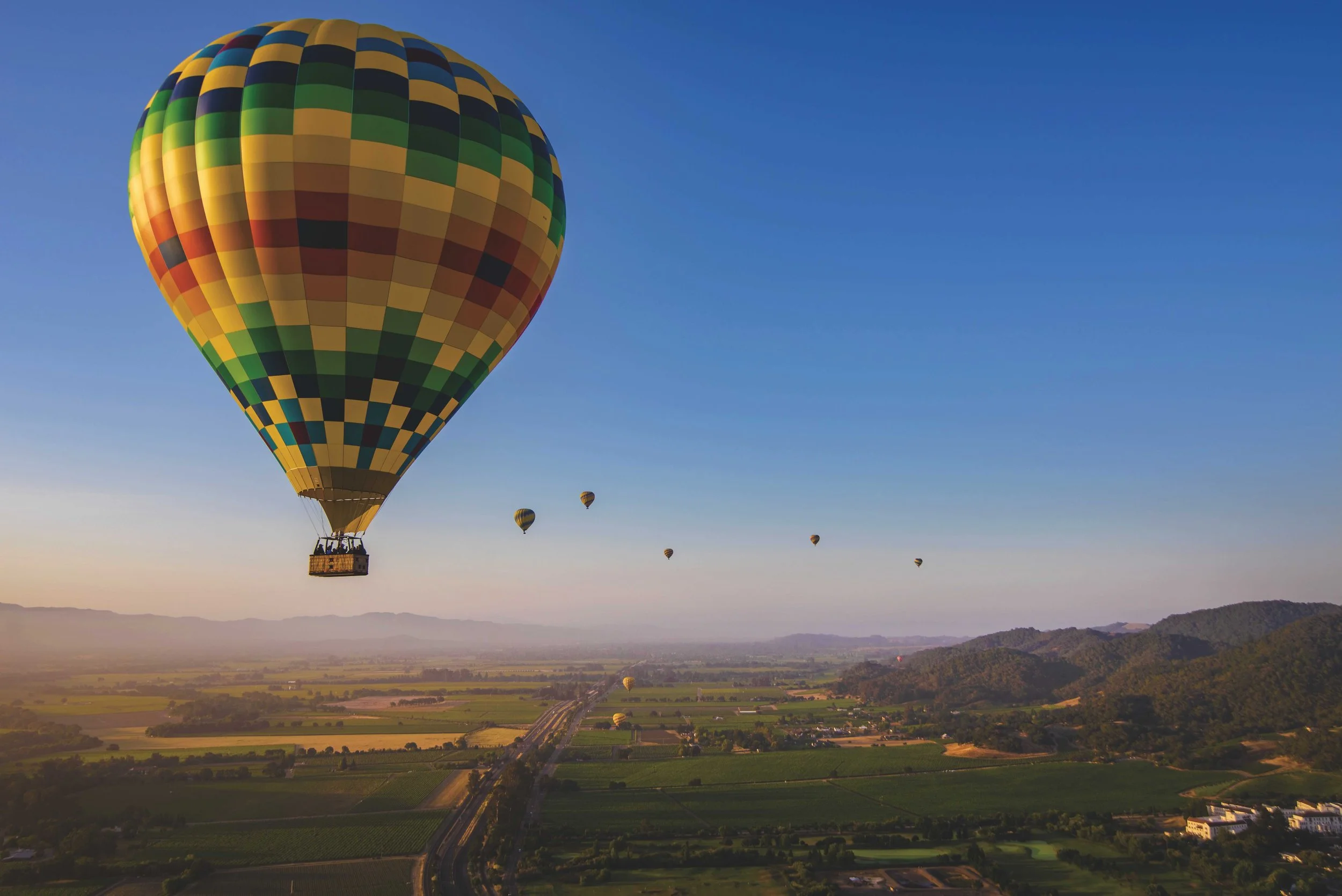
Napa Valley

The San Francisco Bay Area is a region like no other…an interconnected mosaic of nine vibrant counties, each contributing its own unique character to the region's identity. Anchored by the cities of San Francisco, Oakland, and San Jose, the Bay Area is the 5th largest metropolitan area in the U.S. and a cultural, financial, and innovation powerhouse.

From the rolling vineyards of Napa Valley to the bustling streets of Silicon Valley, the Bay Area's ten counties - Alameda, Contra Costa, Marin, Napa, San Mateo, Santa Clara, Santa Cruz, Solano, Sonoma, and San Francisco - are united by shared values of access, inclusion, and sustainability. Together, they form a dynamic region that blends natural beauty, world-class accommodations and a moderate climate, making it an ideal destination for major events and outdoor sports.

Boasting a robust transportation network and state-of-the-art venues, the Bay Area is proud to have hosted premier events and will continue to do so. These successes exemplify our region’s ability to deliver unforgettable experiences while fostering legacy-driven development that uplifts every corner of the Bay.

Whether it’s Napa’s world-renowned wine country, Sonoma’s rolling hills, Marin’s stunning coastal trails, or the innovation hubs of Santa Clara and San Mateo, the Bay Area’s ten counties come together to create a thriving, interconnected region ready to host the world.

Satellite image of Northern California showing major cities labeled: Napa, Solano, Sonoma, Contra Costa, Alameda, Marin, San Francisco, San Mateo, Santa Clara, and Santa Cruz, with coastal and inland terrain.

A Culture of Competition

  • Purple geometric design on a black background, resembling a stylized butterfly or insect with symmetrical wings.

    Golden State Valkyries

  • Golden Gate Bridge logo in yellow on a blue background.

    Golden State Warriors

  • Badge with the text "Bay Football Club" surrounding an ornate letter "B" in the center

    Bay Football Club

  • San Francisco 49ers logo with red, black, white, and gold colors.

    San Francisco 49ers

  • San Francisco Giants logo featuring a large orange 'SF' in Old English font with a black outline on a black background.

    San Francisco Giants

  • Sport team logo for the Quakes, based in San Jose, established in 1974, featuring a black and white soccer ball within a shield design, with blue and white accents.

    San Jose Earthquakes

  • San Jose Sharks logo featuring a stylized shark with a hockey stick in front of a geometric background.

    San Jose Sharks

  • Modern airport terminal at night with large glass windows, curved metallic exterior, illuminated interior, and streaks of vehicle lights on the road in front.

    Airports

    Getting here is easy as the San Francisco Bay Area is served by three international airports: San Francisco International Airport (SFO), Oakland International Airport (OAK), and Mineta San Jose International Airport (SJC).

  • Empty subway station platform with a train on the right, an illuminated exit sign above, and a staircase leading up in the background.

    Bay Area Rapid Transit

    In the past several years the Bay Area has passed over $11 billion in infrastructure/transit improvement, including investments to help facilitate large scale events at Levi’s Stadium. Both BART and Caltrain, the two most utilized transit systems in the region, have seen multi-billion-dollar investments to increase capacity and efficiency.

    In 2018, Bay Area voters approved Regional Measure 3, raising nearly $5 billion for 35 projects to reduce auto and truck traffic, unclog freeway bottlenecks, improve bus, ferry, BART and commuter rail service, and enhance bicycle and pedestrian mobility in the bridge corridors.

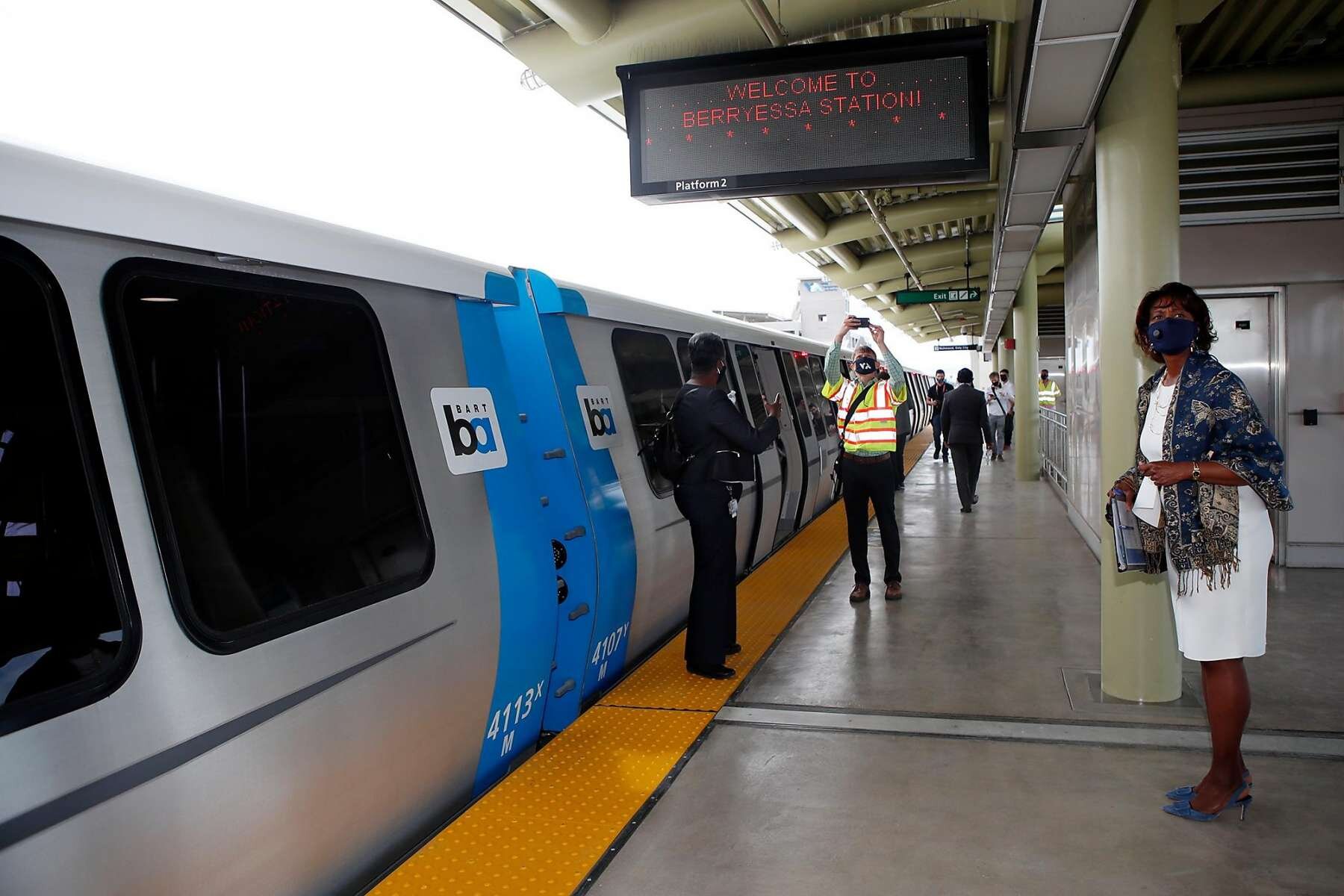
  • People standing on a train platform next to a light rail train with a sign overhead that says 'Welcome to Beryessa Station', some wearing masks. The person on the right is a woman in a white dress, blue mask, and high heels, holding papers. There are other individuals taking pictures and waiting with bags.

    Valley Transportation Authority

    In 2016, Santa Clara County voters overwhelmingly approved Measure B, generating over $6 billion to enhance transit, highways, expressways and active transportation. The measure funds major improvements including the expansion of BART to San Jose and electrification of Caltrain which will nearly double the transit system’s capacity.

    In June 2020, BART opened two new stations: Milpitas & Berryessa/San Jose. These stations alone get tens of thousands of drivers off the road and allow for easier transportation from the East Bay to the South Bay. There is also a direct VTA light rail line from the Milpitas Station to Levi’s Stadium.

  • A modern multi-story hotel building with glass windows and balconies, labeled 'AC Hotel'. It is situated along a curved road with cars and pedestrians, surrounded by green trees and a park with city buildings in the background.

    Hotels

    In 2019 Santa Clara County opened 12 hotels with 1,919 rooms - the most in the state of California. Over the last two years the Bay Area has opened over 5,400 hotel rooms and there are an additional 6,200 hotel rooms being constructed.

Diversity and International Influence

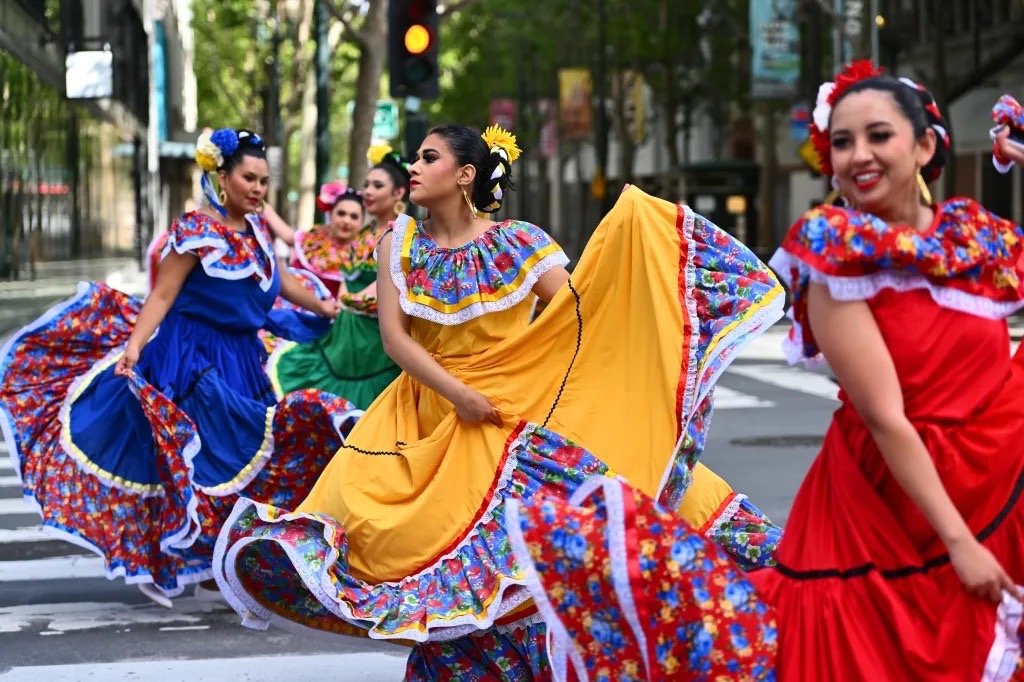
The Bay Area is one of the most diverse regions in the United States, with San Jose taking the top spot as the most diverse metropolitan area in the country, followed by Houston and San Francisco. These are the only three cities in the U.S. where the largest racial or ethnic group represents less than 40 percent of the population.